
By Jenn Resendiz
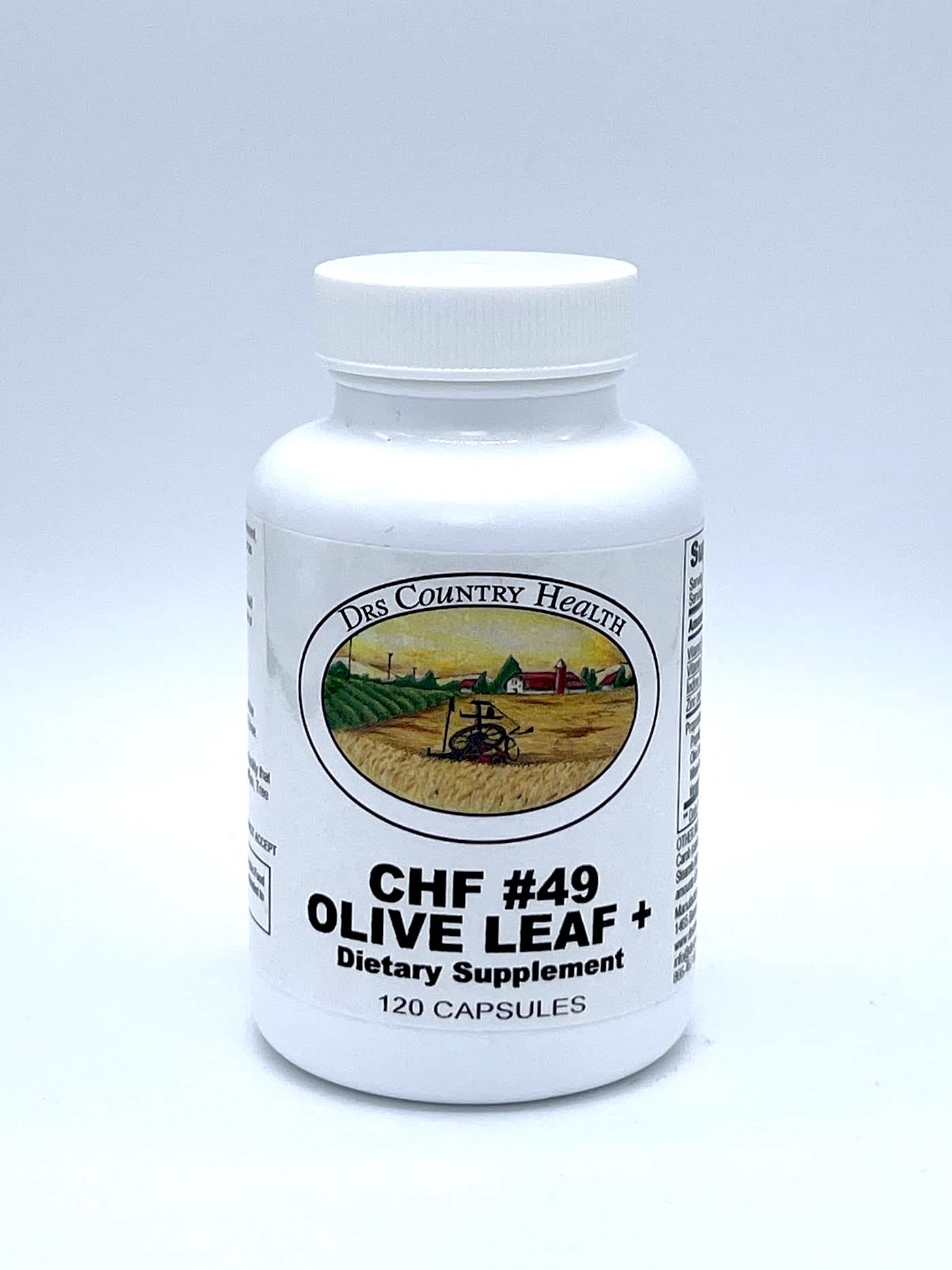
Immune-season routines often mix vitamins with time-tested botanicals. This article walks through the ingredients in CHF #49 Olive Leaf Plus 120 Capsules and what research has found about them.
Full ingredient list (per serving): Vitamin A (as beta-carotene) 2,800 mcg RAE (9,333 IU) (311% DV); Vitamin C (as calcium ascorbate) 60 mg (67% DV); Calcium (as calcium ascorbate) 6 mg (<1% DV); Iodine (from kelp) 50 mcg (33% DV); Zinc (as chelate) 5 mg (45% DV); and a proprietary blend 358 mg of bee propolis, Astragalus membranaceus root extract, grapefruit seed extract, garlic bulb, olive leaf extract, citrus bioflavonoids, Echinacea purpurea whole herb extract, licorice root extract, thymus substance, blue vervain extract, butternut bark extract, and a trace mineral complex. Other ingredients: microcrystalline cellulose, magnesium stearate, silica, and a gelatin capsule. The label suggests one capsule with each meal or as directed.
NIH ODS notes that vitamin A supports vision, immune function, and epithelial tissues (the surfaces that line the airways and gut). Vitamin C supports collagen, antioxidant defenses, and immune cell function. Zinc is involved in hundreds of enzymes and in normal immune signaling. CHF #49 provides 2,800 mcg RAE vitamin A as beta-carotene, 60 mg vitamin C, and 5 mg chelated zinc—plus iodine from kelp—so the botanical blend sits on a vitamin-and-mineral foundation.
NCCIH reports that echinacea is widely used for cold-season immune support. Taking echinacea may slightly reduce your chances of catching a cold. Native American communities used Echinacea purpurea traditionally for respiratory concerns. CHF #49 includes Echinacea purpurea whole herb extract inside the proprietary blend.
NCCIH describes astragalus root as a traditional Chinese medicine herb often used as an adaptogen and for immune-season formulas. A 2023 research review summarized by NCCIH found that astragalus preparations were associated with enhanced immune responses in the studies evaluated.
Garlic (Allium sativum) has a long food-and-folk history; NCCIH notes it is promoted for immune function among other uses, and modern research has explored garlic supplements for cardiometabolic markers. Olive leaf extract and bee propolis are Mediterranean and apicultural traditionals often paired in immune botanical blends, alongside grapefruit seed extract, citrus bioflavonoids, and licorice root in this Country Health formula.
CHF #49 stacks beta-carotene vitamin A, vitamin C, zinc, and iodine with a 358 mg blend featuring olive leaf, propolis, echinacea, astragalus, garlic, and related botanicals. It is designed as a with-meals immune-nutrition capsule rather than a single-herb isolate.
Who might enjoy it: adults building a cold-and-flu-season nutrition shelf, people who like multi-botanical Country Health formulas, and anyone who prefers vitamins A and C with zinc alongside olive leaf and echinacea.
Please check with your clinician first if you:
Olive leaf extract, bee propolis, echinacea, astragalus, garlic, and grapefruit seed extract appear in the 358 mg blend with supporting herbs.
60 mg vitamin C (67% DV) and 5 mg zinc (45% DV) per serving, plus vitamin A as beta-carotene and iodine from kelp.
The label suggests one capsule with each meal or as directed.
No. Despite older marketing language on some URLs, CHF #49 is a dietary supplement with vitamins and botanicals—not an antibiotic drug.
Add CHF #49 Olive Leaf Plus to your cart or view the full product page and label.
This article is for general education only. It is not medical advice, and neither this article nor the product it discusses is meant to diagnose, treat, cure, or prevent any disease. Statements about dietary supplements have not been evaluated by the Food and Drug Administration. Talk with your doctor, pharmacist, or another qualified health professional before starting any supplement, especially if you are pregnant or breastfeeding, take prescription or over-the-counter medicines, or have a medical condition.