
By Jenn Resendiz
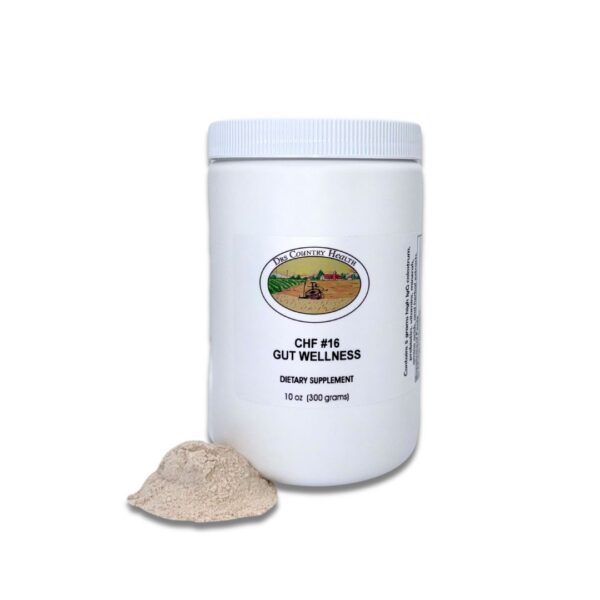
Gut “reset” powders often mix many ingredients into one scoop—and the claims can outrun the evidence. This deep-dive sticks to what the live Country Health page lists for CHF #16 Gut Wellness: high-IgG bovine colostrum, L-glutamine, deglycyrrhizinated licorice (DGL), slippery elm bark, aloe vera juice concentrate, a Bacillus probiotic blend, plus vitamin A (as beta carotene) and zinc. We frame food-first gut care, use verified education for each major piece we can source, and keep disease-cure language out.
This is structure/function education—not a treatment for leaky-gut diagnoses, IBD, ulcers, or infection.
What people are asking: Whether the formula is “just a probiotic.”
Answer: Per the live product table (about 10 g / 1 scoop), publicly listed amounts include roughly 5 g high-IgG bovine colostrum (with 1.5 g immunoglobulins called out), 4 g L-glutamine, 300 mg deglycyrrhizinated licorice root extract, 300 mg slippery elm bark, 50 mg aloe vera juice concentrate (200X), and a 1 billion CFU Bacillus probiotic blend (B. coagulans, B. subtilis, B. clausii), along with vitamin A as beta carotene and zinc as an amino-acid chelate at 100% DV each on the label. Suggested use is to blend one scoop into a smoothie or beverage. Supplied as 10 oz (about 30 servings).
That mix is best understood as a multi-ingredient gut-support powder—not a single-mechanism drug.
What people are asking: Fuel for the gut lining and “good bacteria.”
Answer: L-glutamine is an amino acid present in protein foods; adults typically get several grams daily from diet, and the body also makes glutamine. NIH ODS reviews glutamine mainly in an exercise-performance context and finds little evidence that extra glutamine reliably improves athletic performance—either no effect or only a small benefit in limited studies—while noting supplemental intakes up to about 45 g/day for several weeks in adults have not produced reported side effects in those study settings. That is not the same as proving a scoop heals intestinal disease; it simply anchors glutamine as a familiar amino acid used in nutrition conversations, including gut-focused formulas.
For the Bacillus probiotic blend, rely on general probiotic literacy from NCCIH and ODS: probiotics are live microorganisms that may offer benefits in sufficient amounts; effects are often strain-specific; some evidence supports reduced risk of antibiotic-associated diarrhea for certain products/strains; and immunocompromised or critically ill people need individualized medical advice. This post does not claim the 1 billion CFU blend treats IBS or infection.
What people are asking: Herbal and immune-sounding add-ons.
Answer: NCCIH’s licorice root fact sheet notes traditional digestive uses, but also that high-quality evidence is limited for many claims. Importantly, licorice’s glycyrrhizin can cause serious adverse effects (including heart rhythm and blood-pressure problems) in large or long-term amounts—especially with high salt intake or heart/kidney disease. Oral products that are deglycyrrhizinated (DGL) are discussed as a form that removes much of that component and may be safer for limited durations—CHF #16’s label specifies deglycyrrhizinated licorice, which is the relevant detail—but you should still clear herbal use with a clinician if you take medicines (interactions with corticosteroids have been reported for licorice generally) or if you are pregnant.
NCCIH’s aloe vera overview distinguishes topical use from oral use; oral aloe latex has a history as a stimulant laxative and carries safety concerns, while gel preparations are a different conversation. CHF #16 lists an aloe vera juice concentrate—still a reason to follow the label and clinician advice rather than assuming “natural means risk-free,” especially if you already take other aloe-containing products.
Bovine colostrum is the early milk fluid rich in proteins including immunoglobulins; it is used in some specialty nutrition products. We do not invent clinical cure rates here—treat it as a listed protein/immunoglobulin-containing ingredient and discuss dairy-protein allergy or medical diets with your clinician.
Vitamin A and zinc appear at labeled Daily Value amounts. ODS consumer sheets describe vitamin A’s roles in vision and immune function education and zinc’s roles in immune function and cell processes—again as nutrient physiology, not as proof that this powder prevents infection.
What people are asking: Whether a scoop replaces meals and medical care.
Answer: CHF #16 Gut Wellness may fit as an educational multi-ingredient option when you and your clinician want a single powder that combines glutamine, DGL licorice, slippery elm, aloe concentrate, colostrum proteins, a Bacillus probiotic blend, and basic A/zinc support. It does not replace fiber-rich plants, adequate protein, sleep, or evaluation of alarm symptoms (bleeding, fever, severe pain, unintentional weight loss).
Practical notes:
| Product | Product page |
|---|---|
| CHF #16 Gut Wellness | View |
Add all supplements or products in this article to cart
This article is for general educational purposes only and is not medical advice, diagnosis, or treatment. Dietary supplements are not drugs and are not intended to diagnose, treat, cure, or prevent any disease—including IBD, ulcers, “leaky gut,” infection, or immune deficiency. Individual needs vary. Seek care for concerning GI symptoms. If you are pregnant, nursing, immunocompromised, take prescription medicines (including corticosteroids or blood pressure medicines), or have kidney, heart, or liver disease, discuss this multi-ingredient powder with your clinician or pharmacist first—licorice-related and oral aloe safety issues are especially important to review.
Product information reflects publicly listed descriptions on drscountryhealth.com at the time of writing. For personalized product guidance, contact DRS Country Health at info@drscountryhealth.com or 866.467.6423.