
By Jenn Resendiz
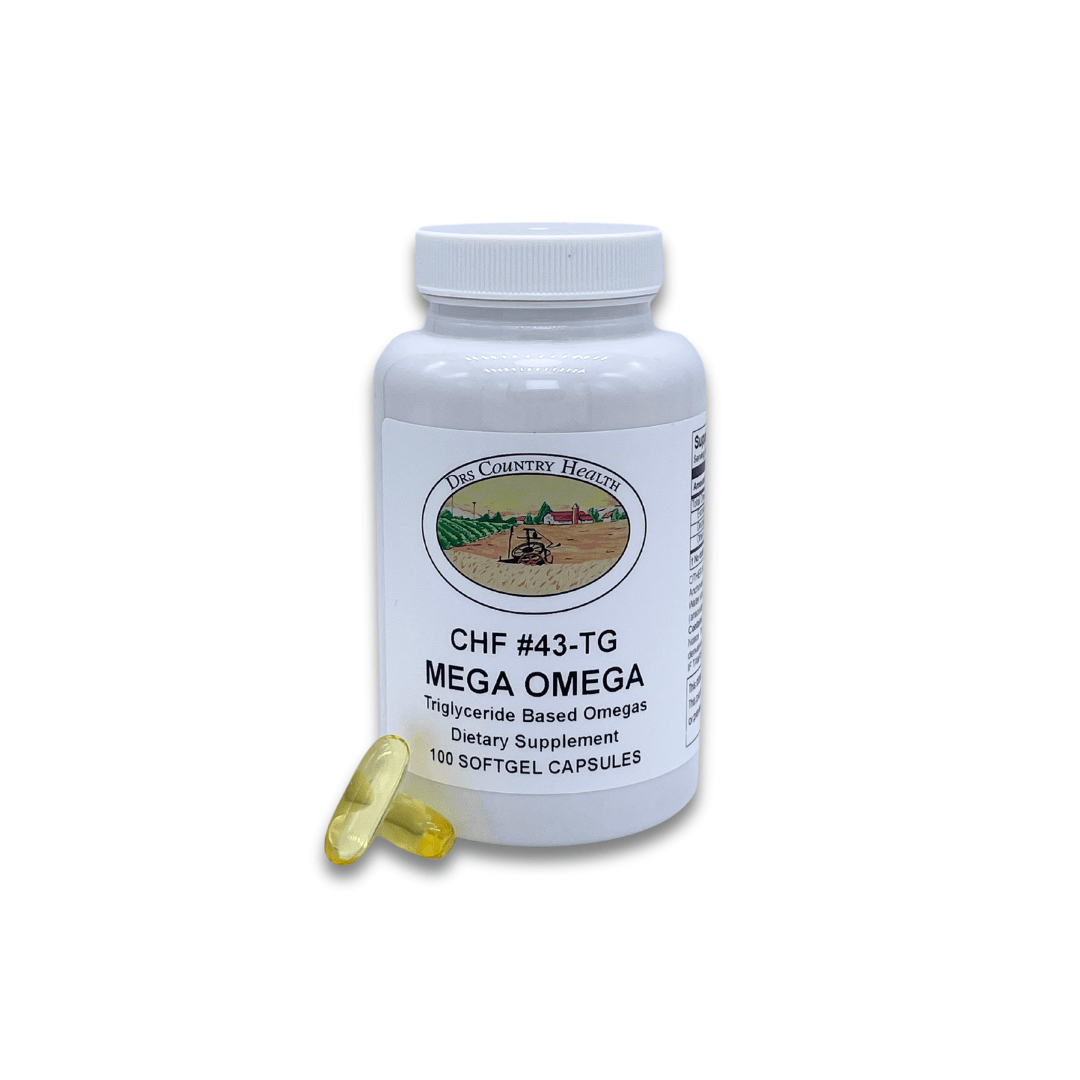
Omega-3 fats from fish are among the most researched nutrients in the world. CHF #43TG Mega Omega 100 softgel provides a concentrated dose of EPA and DHA in triglyceride form. Here is what each ingredient does and what studies have found.
Full ingredient list (per 2 softgels): Total omega-3s (from fish oils) 2,000 mg, including eicosapentaenoic acid (EPA) 800 mg, docosahexaenoic acid (DHA) 600 mg, and other omega-3 fatty acids 600 mg. Other ingredients: purified deep fish oil (from anchovies and sardines), gelatin, glycerin, and water (shell), natural lemon flavor, d-alpha tocopherol (antioxidant), and rosemary extract (natural preservative). Contains fish. The label suggests two enteric-coated softgels twice a day.
EPA is a long-chain omega-3 fat found mainly in seafood. The NIH Office of Dietary Supplements (ODS) explains that omega-3s are built into the membranes of every cell, provide energy, and are used to make signaling molecules called eicosanoids. When EPA and DHA levels are higher, ODS explains, the balance of these signaling molecules tips toward less inflammatory activity, one reason EPA is so widely studied.
The best-established benefit is for blood fats. NCCIH summarizes a 2020 review of 23 studies showing that EPA and DHA lower triglycerides by about 15%, and ODS notes larger reductions in people who start with higher levels. Research on joints is also encouraging: NCCIH describes a 2022 review of 30 studies in which diets rich in omega-3s improved pain and swollen, tender joints in people with rheumatoid arthritis.
DHA is especially concentrated in the brain and the retina of the eye. ODS explains that DHA is an essential building block of brain cell membranes, and researchers believe it helps maintain healthy nerve cell function. It is also important during pregnancy and infancy, when DHA accumulates rapidly in the developing brain and eyes.
Studies of aging are promising. NCCIH reports that people who eat more seafood may have a lower risk of cognitive decline, and a 2022 review of 33 studies suggests dietary and supplemental omega-3s may help protect cognitive function in healthy people.
The “TG” in the name stands for triglyceride, the natural form omega-3s take in fish. ODS notes that triglyceride forms have somewhat higher bioavailability than ethyl esters, a processed form used in many fish oils, and all forms raise blood EPA and DHA. CHF #43TG uses purified oil from anchovies and sardines (ODS lists sardines among the cold-water fatty fish high in long-chain omega-3s), and it supplies 600 mg of additional omega-3s beyond EPA and DHA.
Fish oil is delicate and can oxidize. Natural vitamin E (d-alpha tocopherol) and rosemary extract are added as antioxidants to help keep the oil fresh, and the enteric-coated softgels are designed to release in the intestine rather than the stomach.
Your body can make only small amounts of EPA and DHA from ALA, the plant omega-3 in flax and walnuts; ODS reports conversion is generally under 15%. That is why fish and fish oil are the most direct sources. The Dietary Guidelines for Americans suggest at least 8 ounces of a variety of seafood a week for adults.
EPA and DHA complement each other: EPA is most associated with heart and joint research, and DHA with the brain and eyes. CHF #43TG delivers both in a generous 4:3 ratio, in the natural triglyceride form, protected by natural antioxidants.
Who might enjoy it: adults who rarely eat fatty fish, people working with their clinician on healthy triglyceride levels, and anyone looking for a concentrated, well-absorbed fish oil.
Fish oil is generally well tolerated; the most common side effects are mild, such as a fishy taste, heartburn, or loose stools. FDA has concluded that up to 5 g a day of EPA plus DHA from supplements is safe. Please check with your clinician first if you:
Two softgels provide 800 mg EPA and 600 mg DHA, plus 600 mg of other omega-3s, for 2,000 mg total omega-3s.
Triglyceride form, the natural form of omega-3s in fish. It is absorbed somewhat better than the ethyl ester form.
Yes. Research shows EPA and DHA lower triglycerides by about 15% on average, with larger effects in people who start higher.
ODS lists sardines among the cold-water fatty fish that contain high amounts of long-chain omega-3s, and small fish like these are common sources of purified fish oil.
Add CHF #43TG Mega Omega to your cart or view the full product page and label.
This article is for general education only. It is not medical advice, and neither this article nor the product it discusses is meant to diagnose, treat, cure, or prevent any disease. Statements about dietary supplements have not been evaluated by the Food and Drug Administration. Talk with your doctor, pharmacist, or another qualified health professional before starting any supplement, especially if you are pregnant or breastfeeding, take prescription or over-the-counter medicines, or have a medical condition.