
By Jenn Resendiz
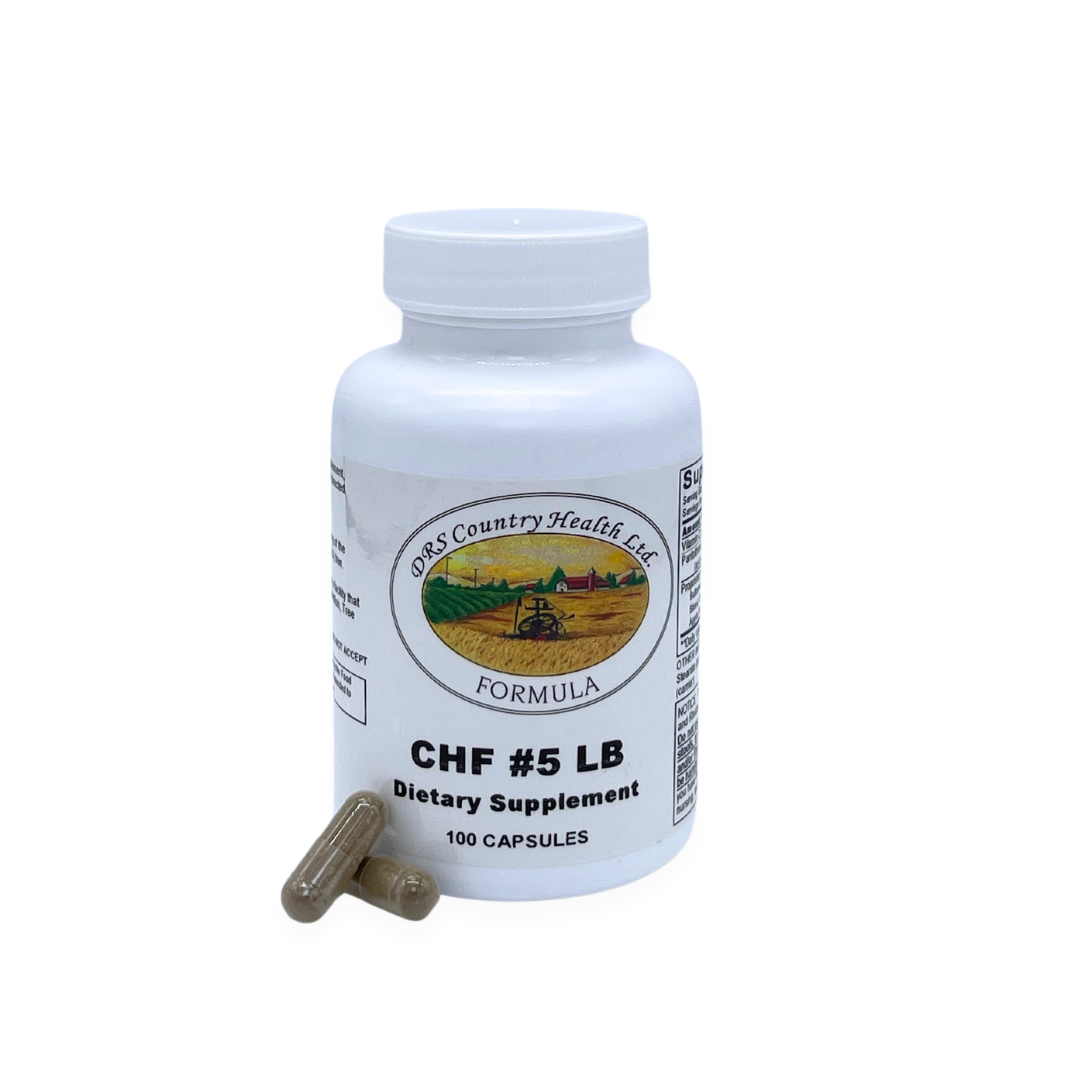
Herbal lower bowel formulas draw on some of the oldest plant remedies for regularity. CHF #5LB 100 Capsules is Country Health’s herbal formula for occasional constipation, a separate product from the Fiber Plus line, built around classic botanicals. Here is what research says about each ingredient.
Full ingredient list (per 1 capsule): vitamin C (as calcium ascorbate) 8 mg; calcium (as calcium ascorbate) 0.8 mg; pantothenic acid (as d-calcium pantothenate) 4 mg; proprietary blend 475 mg of butternut (Juglans cinerea) bark, cascara sagrada (Rhamnus purshiana) bark, trace mineral blend, Chinese rhubarb (Rheum palmatum) root, psyllium seed, apple pectin, Irish moss (Chondrus), and kelp (Ascophyllum nodosum). Other ingredients: microcrystalline cellulose, magnesium stearate, silica, gelatin (capsule). The label suggests one capsule with each meal.
Cascara sagrada is the bark of the Rhamnus purshiana tree and one of the best-known herbal remedies for occasional constipation. A 2015 review of botanical medicines for constipation lists cascara, along with senna, frangula, aloe, and rhubarb, among the most commonly used herbal laxatives. Mayo Clinic explains that stimulant ingredients like cascara derivatives work by triggering rhythmic contractions of the intestinal muscles, which helps move stool through the colon.
Butternut (Juglans cinerea) is a North American tree related to the walnut. Its bark has a traditional reputation as a mild laxative, and it is paired here with cascara and rhubarb in the same spirit. It has not been evaluated in modern clinical trials, so its inclusion reflects traditional herbal practice.
Chinese rhubarb root has been used for constipation for centuries. The NIH LactMed database explains that the root contains anthraquinones such as emodin and rhein, natural compounds that stimulate the bowel, along with tannins, which are astringent. LactMed also notes that Chinese and garden rhubarb are generally recognized as safe as foods by FDA. In CHF #5LB, rhubarb works alongside cascara to encourage the bowel’s natural movement.
Kelp is a brown seaweed, and the NIH Office of Dietary Supplements (ODS) describes seaweed as one of the best food sources of iodine. Iodine is an essential part of the thyroid hormones that help regulate metabolism. Irish moss (sea moss) is a red seaweed that LactMed notes is used as both food and traditional medicine. It naturally contains carrageenan and other plant carbohydrates, along with minerals.
Psyllium seed and apple pectin are two plant ingredients that research links with regularity; a 2022 meta-analysis found both significantly improved stool frequency in adults with chronic constipation. In CHF #5LB they are included in small amounts as supporting ingredients rather than as the main event. Each capsule also provides 8 mg of vitamin C and 4 mg of pantothenic acid, two water-soluble vitamins.
CHF #5LB brings together three traditional stimulant botanicals (cascara sagrada, rhubarb, and butternut) with seaweeds and small amounts of psyllium and pectin. The herbs encourage the colon’s natural contractions, making the formula suited to occasional use when things slow down. Mayo Clinic recommends pairing any laxative with the basics: fiber-rich foods, about 8 to 10 glasses of fluids a day, and regular exercise.
Who might enjoy it: adults who prefer a traditional herbal approach for occasional constipation and want a formula taken with meals.
Stimulant herbs are meant for occasional use. Mayo Clinic notes that using stimulant laxatives for weeks or months can make the bowel less responsive and can upset electrolyte balance. FDA does not permit cascara in over-the-counter laxative drugs because the safety data it requested were never submitted, though it can be sold as a supplement ingredient. Please check with your clinician first if you:
Call your healthcare team right away if you have severe cramps, rectal bleeding, severe diarrhea, dizziness, or constipation lasting more than seven days.
No. CHF #5LB is a separate herbal lower bowel formula built around cascara sagrada, rhubarb, and butternut bark.
The label suggests one capsule with each meal. Stimulant herbs are best used occasionally, along with fiber-rich foods and plenty of fluids.
It is a stimulant botanical that triggers rhythmic contractions of the intestinal muscles to help move stool along.
It contains kelp and Irish moss, seaweeds that naturally contain iodine; the amount is not listed on the label.
Add CHF #5LB to your cart or view the full product page and label.
This article is for general education only. It is not medical advice, and neither this article nor the product it discusses is meant to diagnose, treat, cure, or prevent any disease. Statements about dietary supplements have not been evaluated by the Food and Drug Administration. Talk with your doctor, pharmacist, or another qualified health professional before starting any supplement, especially if you are pregnant or breastfeeding, take prescription or over-the-counter medicines, or have a medical condition.