
By Jenn Resendiz
Your circulatory system moves oxygen and nutrients to every tissue, including the muscles in your legs, and returns blood to the heart. This guide covers magnesium, omega-3 fats, hawthorn, garlic, and CoQ10, plus the Country Health formulas that contain them, starting with CHF #26 Pressure 180 Capsules. It does not diagnose or treat blood-pressure disease, clotting disorders, or peripheral artery disease.
Cleveland Clinic explains that the heart pumps blood through arteries, capillaries, and veins. Leg veins use valves to help blood move upward against gravity. Capillaries exchange oxygen, nutrients, and waste with tissues.
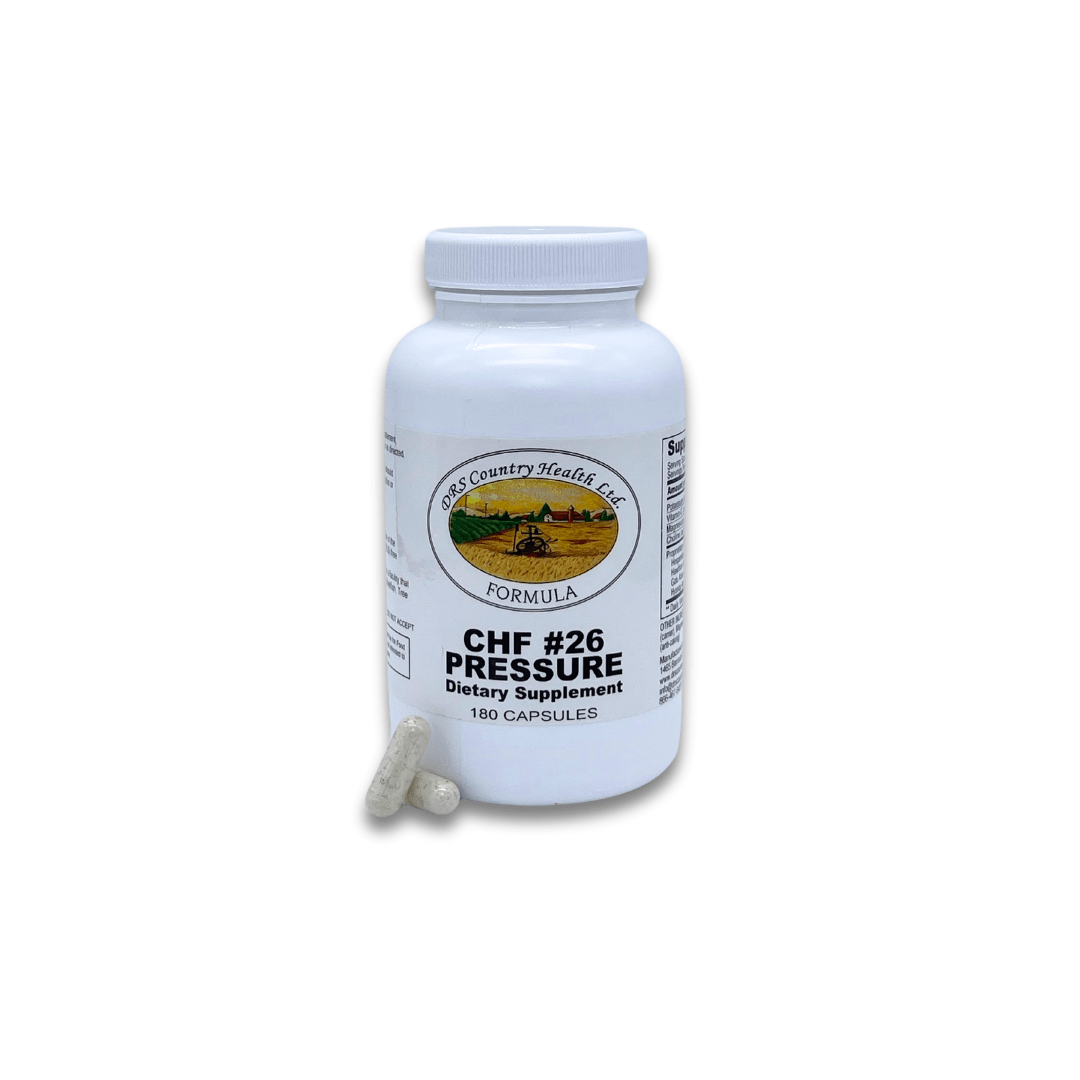
ODS notes that magnesium is involved in hundreds of enzyme systems and helps regulate muscle contraction and nerve signaling. ODS also says clinical trials suggest that magnesium supplementation only marginally lowers blood pressure, so food sources come first.
Where you’ll find it: CHF #26 Pressure provides 187 mg of magnesium (as oxide), 80 mg of potassium, 20 mg of vitamin C, and 40 mg of choline per two capsules, plus a 514 mg blend with hesperidin, rutin, garlic bulb, hawthorn berry, parsley leaf, black cohosh root, gotu kola, apple pectin, cayenne fruit, hyssop, and trace minerals. The label suggests two capsules three times daily. See our CHF #26 Pressure ingredient deep-dive.
NCCIH describes hawthorn as a flowering shrub traditionally used for the heart and blood circulation, and says there is little or no quality evidence on hawthorn for most health conditions. NCCIH describes garlic as a culinary herb promoted for several purposes. These botanicals appear alongside magnesium in CHF #26 Pressure; they are not prescription medicines, and the evidence behind them is limited.
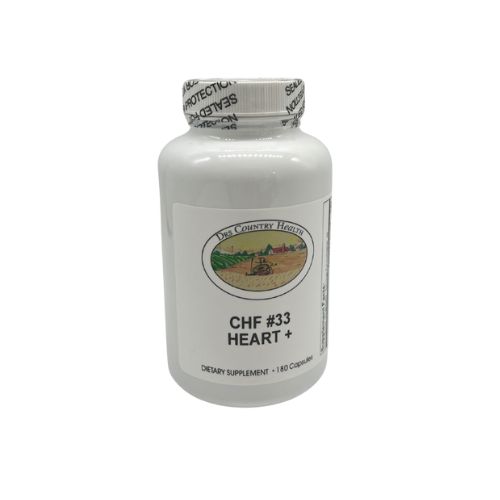
CHF #33 Heart+ combines magnesium with CoQ10, hawthorn, L-carnitine, taurine, garlic, and a broad vitamin-mineral base, along with animal glandular substances. NCCIH notes CoQ10’s role in cellular energy production.
Where you’ll find it: CHF #33 Heart+ at nine capsules daily provides 396 mg of magnesium, 3,400 mcg RAE of vitamin A, 600 mg of vitamin C, 88 mg of vitamin E, 22 mg of vitamin B6, 45 mg of thiamine, 6 mg of iron, 3 mg of copper, and 540 mcg of chromium, plus a 2.4 g blend with L-arginine, L-carnitine, taurine, hawthorn berry, CoQ10, garlic, bromelain, adrenal, heart, spleen, and thymus substance, and related ingredients. Follow the label and your clinician’s advice. Read our CHF #33 Heart+ ingredient deep-dive.
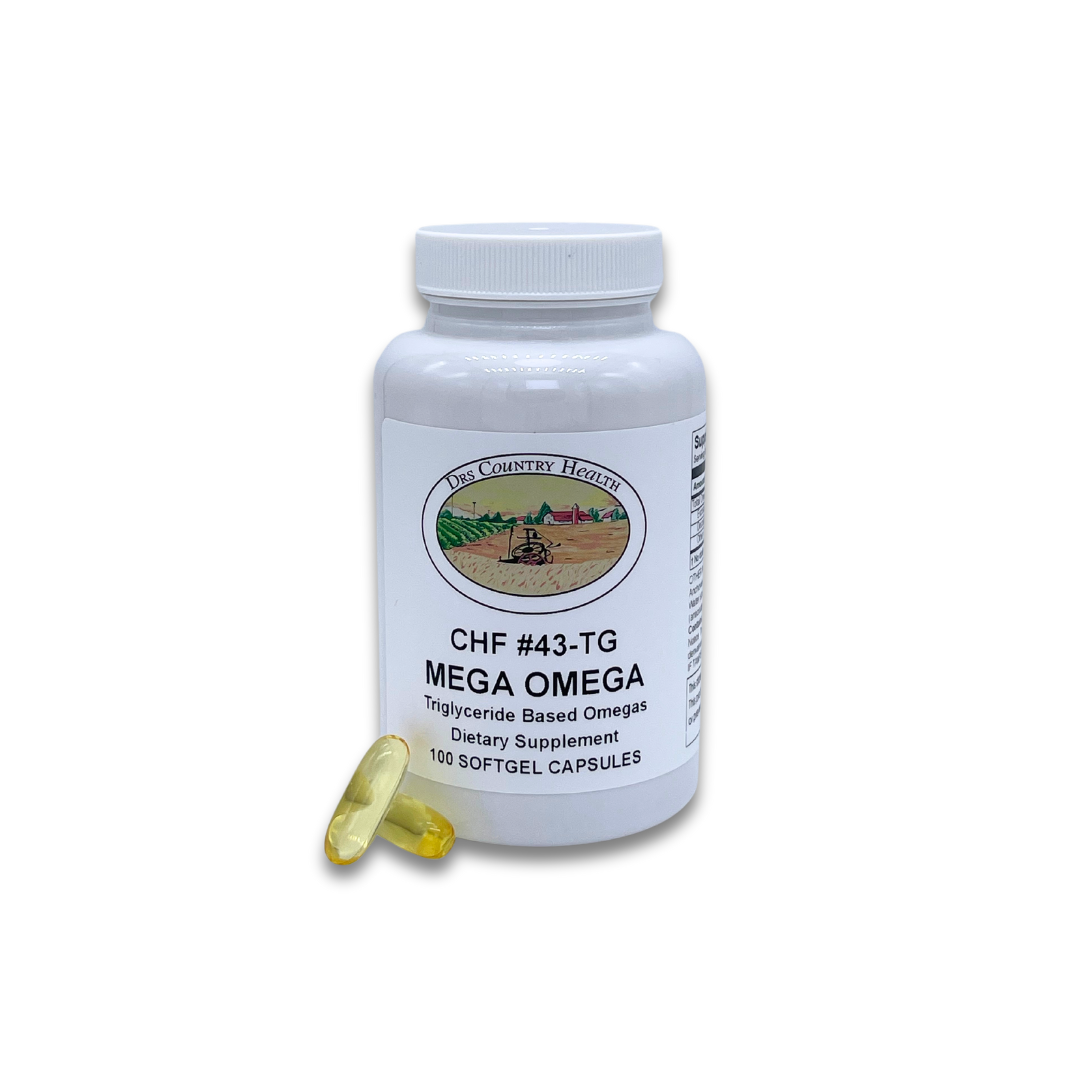
ODS explains that EPA and DHA are long-chain omega-3 fats found in fatty fish and fish-oil supplements. They are structural fats in cell membranes. A 2022 paper discusses differentiating EPA from EPA/DHA combinations in cardiovascular risk research.
Where you’ll find them: CHF #43TG Mega Omega 100 softgel provides 2,000 mg of total omega-3s from fish oil per two softgels, including 800 mg of EPA and 600 mg of DHA. The label suggests two softgels twice daily. See our CHF #43TG Mega Omega ingredient deep-dive.
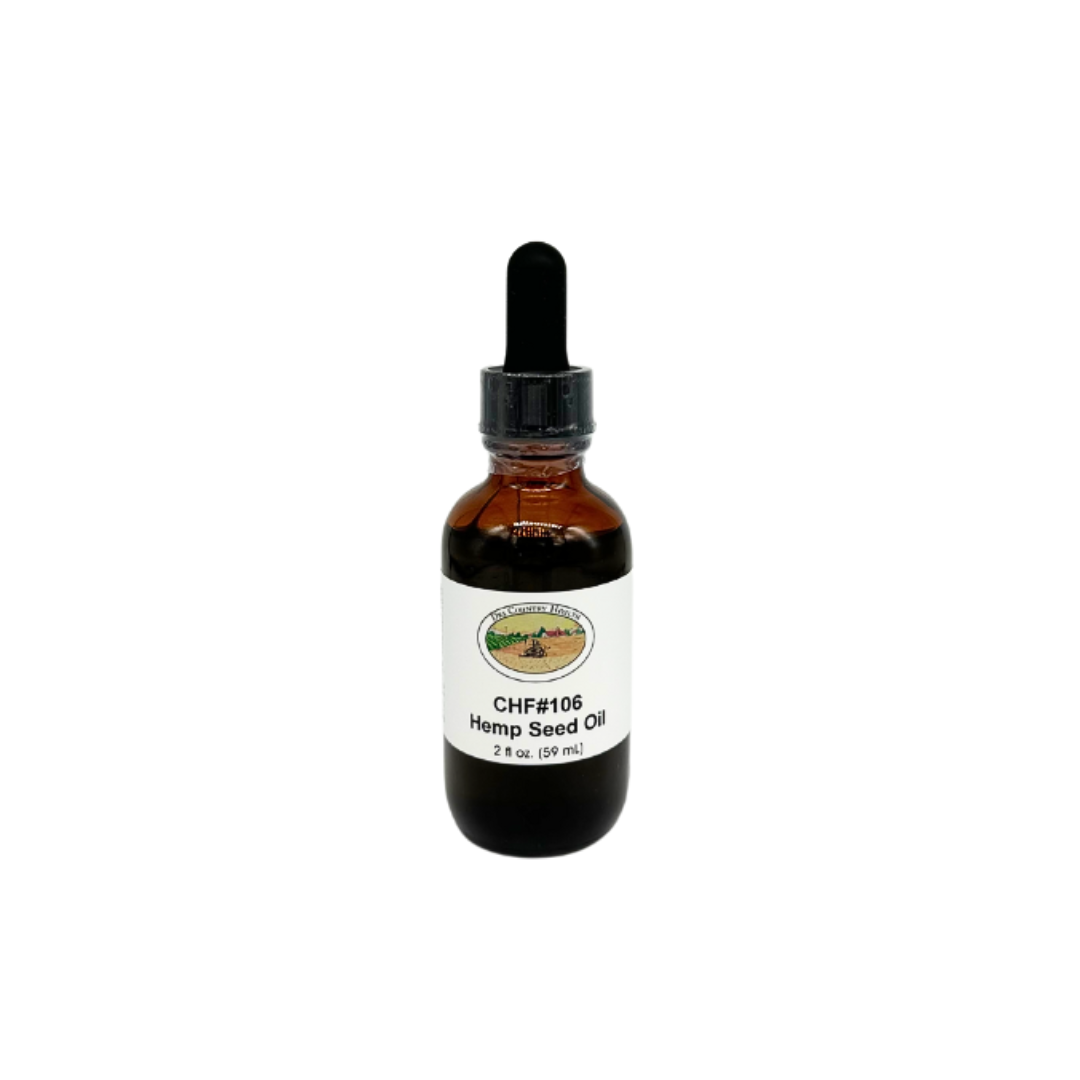
A 2014 analysis in the Journal of Agricultural and Food Chemistry found that hemp seed oil is made up mostly of linoleic acid (omega-6, 55%), alpha-linolenic acid (omega-3, 16%), and oleic acid (11%), and characterized its unsaponifiable fraction.
Where you’ll find it: CHF #106 Hemp Seed Oil 2 fl. oz. is 100% virgin organic hemp seed oil; the label suggests 15 drops daily. Read our CHF #106 Hemp Seed Oil ingredient deep-dive.
Add all 4 featured Country Health products to your cart (CHF #26 Pressure, CHF #33 Heart+, CHF #43TG Mega Omega, CHF #106 Hemp Seed Oil).
Magnesium: CHF #26 Pressure at six capsules provides 561 mg of supplemental magnesium, and CHF #33 Heart+ at nine capsules provides 396 mg; both exceed the 350 mg UL for supplemental magnesium that ODS sets (the UL does not include food magnesium). High supplemental magnesium can cause diarrhea and cramping. Vitamin A: CHF #33 Heart+ provides 3,400 mcg RAE from palmitate and beta-carotene, above the 3,000 mcg UL for preformed vitamin A if much of it is retinyl palmitate; clarify forms with your clinician. Other CHF #33 Heart+ totals at nine capsules: iron 6 mg, copper 3 mg (ODS sets the adult UL at 10 mg), vitamin C 600 mg (UL 2,000 mg), vitamin B6 22 mg (UL 100 mg), vitamin E 88 mg (UL 1,000 mg), thiamine 45 mg, and chromium 540 mcg. Iron warning: ODS notes that accidental overdose of iron-containing products is a leading cause of fatal poisoning in children under 6; keep CHF #33 Heart+ out of reach of children and call poison control right away after an accidental overdose. Omega-3s: CHF #43TG Mega Omega at four softgels provides about 4,000 mg of total omega-3s; ODS notes bleeding risk can rise at high intakes, especially with anticoagulant or antiplatelet medicines. Garlic: CHF #26 Pressure and CHF #33 Heart+ contain garlic. NCCIH says garlic supplements may increase the risk of bleeding, which is especially important if you are going to have surgery or take anticoagulants or aspirin. Hawthorn: NCCIH says some herbs and medicines interact in harmful ways, so talk with your clinician before using hawthorn if you take any medicine. Black cohosh: CHF #26 Pressure lists black cohosh root; NCCIH says cases of liver damage have been reported in people taking black cohosh products and that it may not be safe during pregnancy or breastfeeding. CoQ10: CHF #33 Heart+ contains CoQ10, and NCCIH says CoQ10 may interact with the blood thinner warfarin and with insulin. Fish allergy: CHF #43TG Mega Omega is made from anchovy and sardine oil and its label says “Contains: Fish”; do not use it if you have a fish allergy. CHF #33 Heart+ also contains bromelain and adrenal, heart, spleen, and thymus substance; avoid if you have related allergies. Pregnant or breastfeeding people and anyone with heart disease, low blood pressure, or on cardiovascular medicines should check before use.
This article is for general education only. It is not medical advice, and neither this article nor the products it discusses are meant to diagnose, treat, cure, or prevent any disease. Statements about dietary supplements have not been evaluated by the Food and Drug Administration. Talk with your doctor, pharmacist, or another qualified health professional before starting any supplement, especially if you are pregnant or breastfeeding, take prescription or over-the-counter medicines, or have a medical condition.