
By Jenn Resendiz
Every day your cells make energy, and that process also creates reactive oxygen species. Antioxidant nutrients help keep that chemistry in balance. This guide covers greens, carotenoids, selenium, antioxidant enzymes, and CoQ10 as they relate to healthy aging, and the Country Health formulas that contain them, starting with CHF #28 Greens 120 Capsules. It is not a claim that any supplement stops aging or cures age-related disease.
MedlinePlus describes antioxidants as substances that may protect cells against free radicals. Free radicals arise from normal metabolism and from exposures such as air pollution and ultraviolet light. ODS fact sheets on vitamins C and E and on carotenoids explain how these nutrients donate electrons to stabilize reactive molecules.
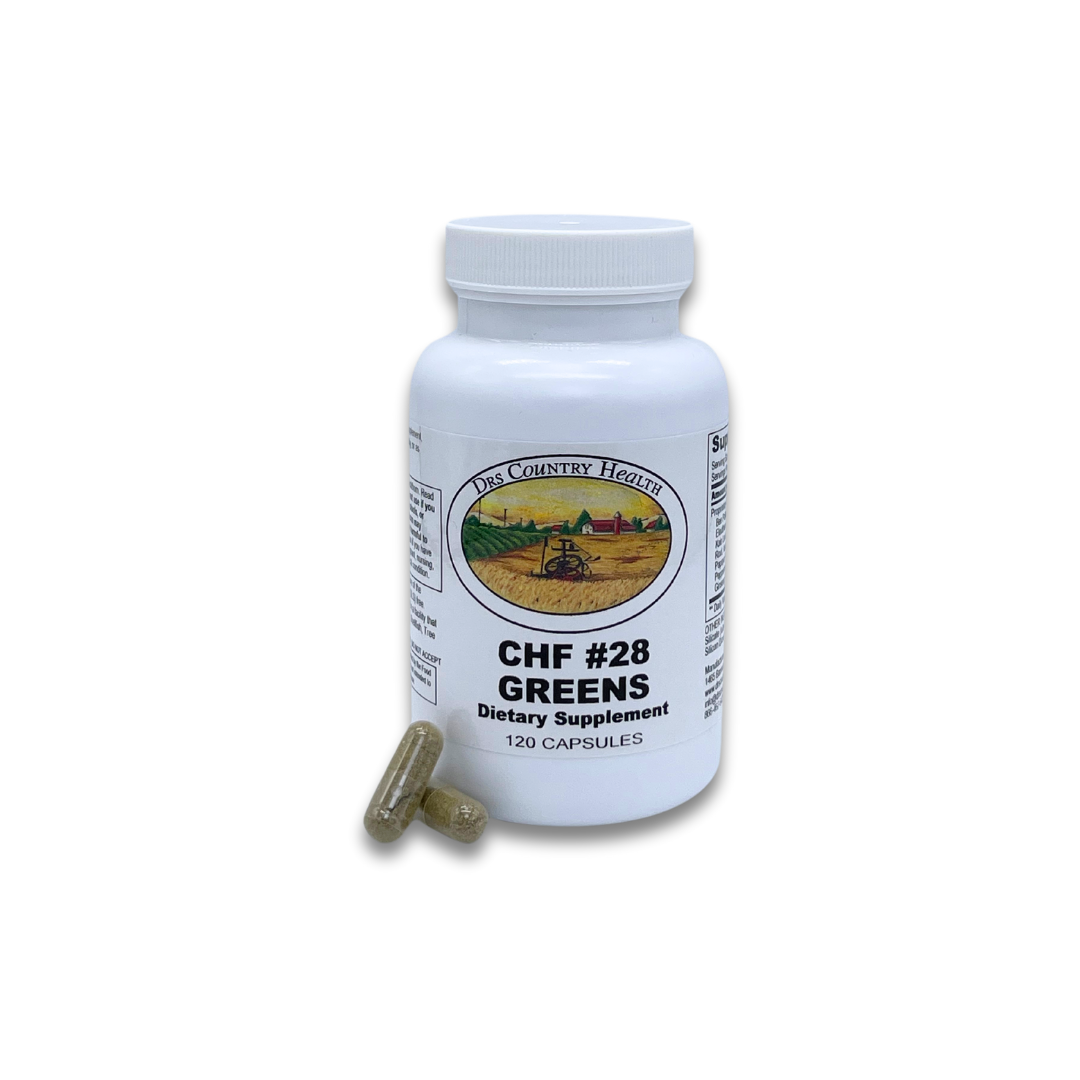
Green vegetables supply chlorophyll, carotenoids, vitamin C, folate, and a mix of polyphenols. Eating a variety of colorful plants is the foundation of an antioxidant-rich pattern. Capsule greens blends are a convenient way to add concentrated plant powders when fresh produce is hard to fit into every meal.
Where you’ll find them: CHF #28 Greens provides a 1 g proprietary blend per two capsules that includes bee pollen, spinach, cabbage, chlorella, broccoli, kale, parsley, eleuthero, buckthorn bark, fo-ti root, Asian and American ginseng, saw palmetto, and other botanicals. The label suggests two capsules between meals daily. See our CHF #28 Greens ingredient deep-dive.
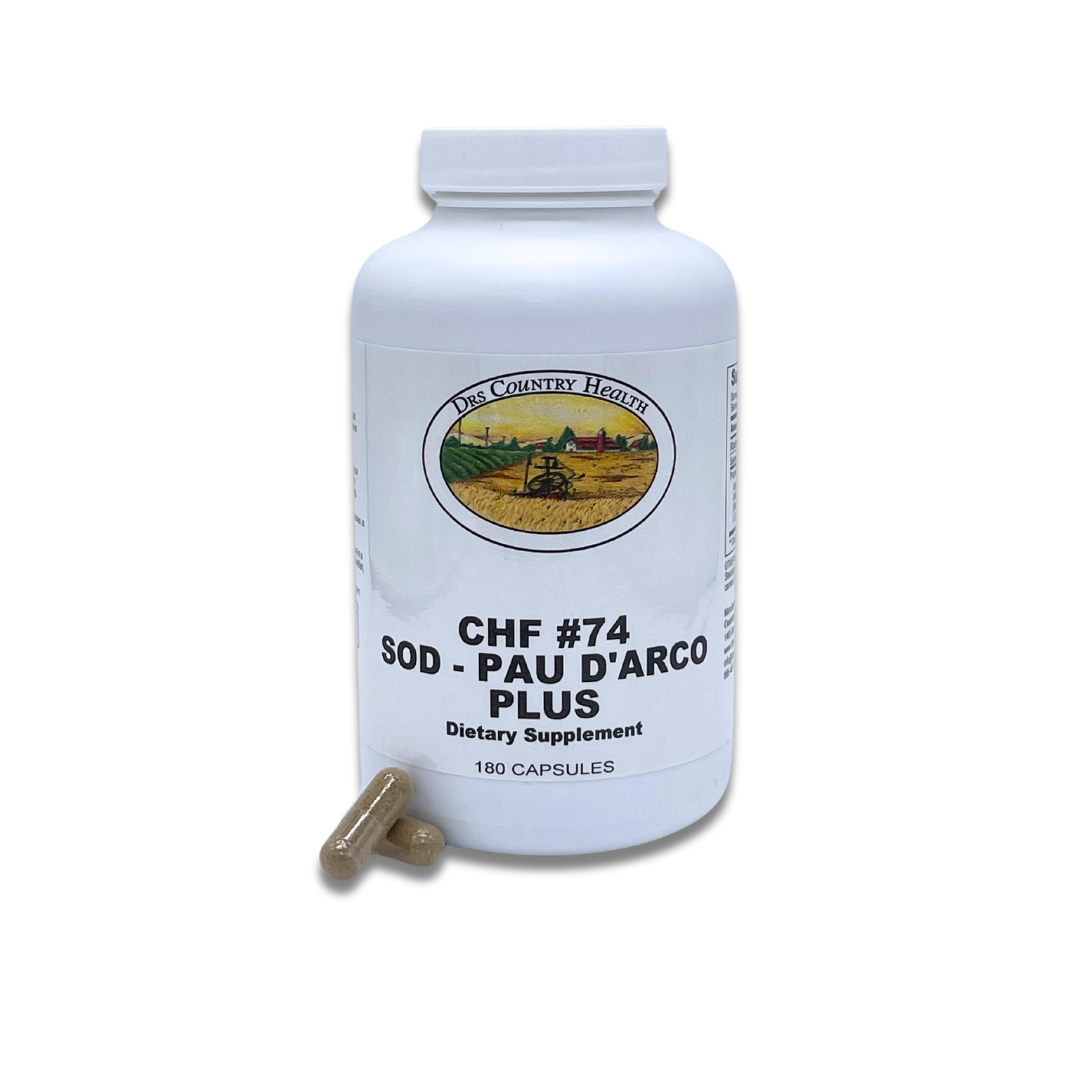
Superoxide dismutase (SOD) and catalase are enzymes that help convert superoxide and hydrogen peroxide into less reactive forms. ODS explains that selenium is a cofactor for glutathione peroxidases that neutralize peroxides. Coenzyme Q10 is made in the body and sits in mitochondrial membranes, where it helps move electrons in the energy chain and also acts as an antioxidant. NCCIH notes that CoQ10 is being studied for several uses and that it is generally well tolerated at common supplemental doses.
Where you’ll find them: CHF #74 SOD-Pau D’Arco Plus 180 Capsules provides 204 mcg of selenium and a 1.5 g blend of SOD, pau d’arco bark, catalase, bee pollen, DMG, ginkgo, CoQ10, L-cysteine, and L-glutathione per two capsules. The label suggests two capsules daily with water. See our CHF #74 SOD-Pau D’Arco Plus ingredient deep-dive.
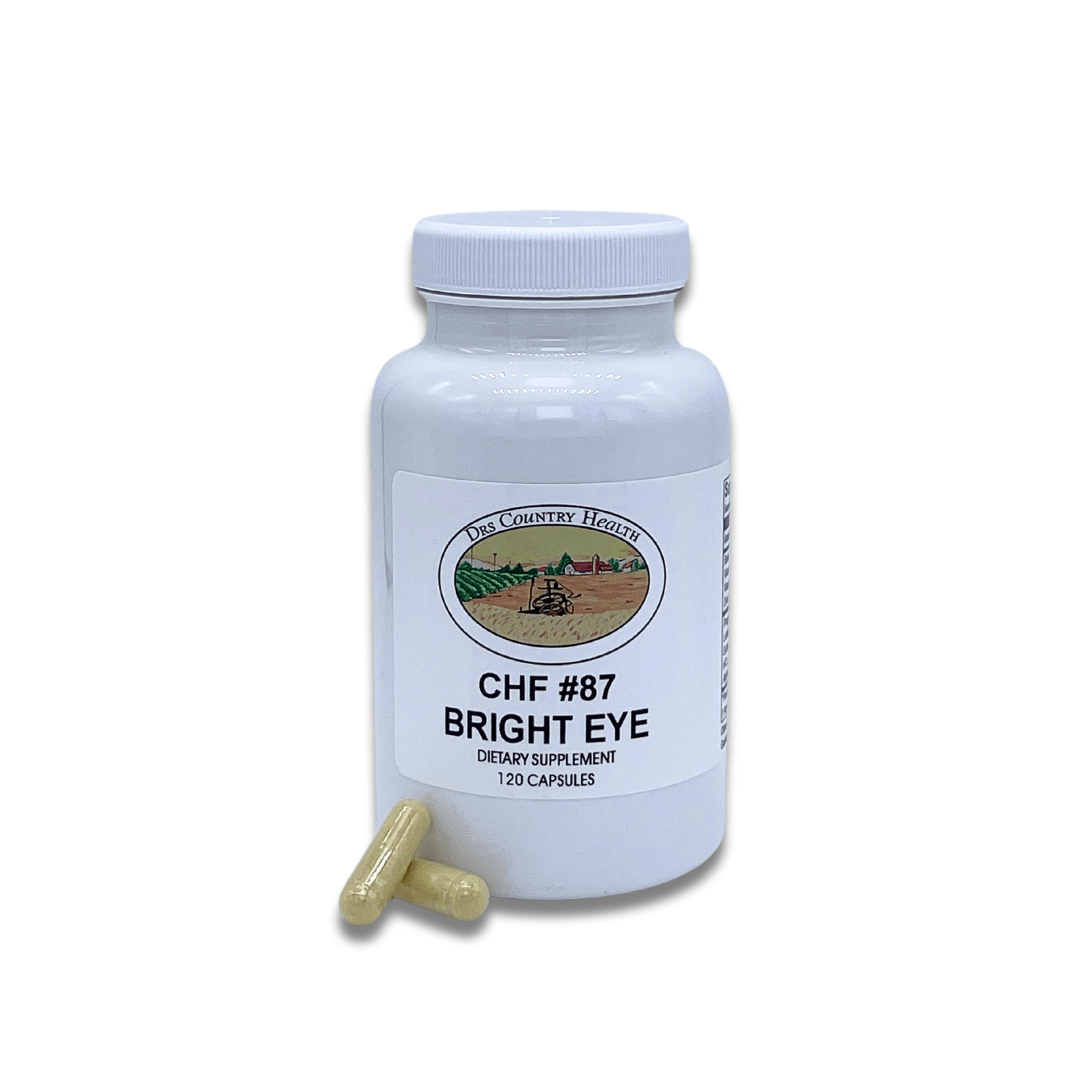
ODS describes carotenoids as plant pigments; some, such as beta-carotene, can be converted to vitamin A, while lutein and zeaxanthin concentrate in the retina. A 2022 review in Nutrients discusses lutein and zeaxanthin as macular carotenoids with antioxidant roles in the eye. CHF #87 Bright Eye also supplies vitamins C and E, which ODS describes as water-soluble and fat-soluble antioxidant vitamins that work alongside carotenoids. Supporting eye tissues with carotenoids is one piece of a broader antioxidant pattern for healthy aging, alongside regular eye exams.
Where you’ll find them: CHF #87 Bright Eye provides 4,000 mcg RAE of vitamin A as beta-carotene, 100 mg of vitamin C, 34 mg of vitamin E, and 3 mg of zinc per two capsules, plus a blend with lutein, zeaxanthin, bilberry, eyebright, ginkgo biloba extract, lycopene, and related nutrients. The label suggests two capsules twice daily. Read our CHF #87 Bright Eye ingredient deep-dive.
ODS sets adult vitamin C RDAs at 75 to 90 mg, with a 2,000 mg UL. Fruits and vegetables remain the best everyday sources. CHF #87 Bright Eye contributes 100 mg of vitamin C per two capsules (200 mg at the full four-capsule labeled use), which sits comfortably under the UL. If your diet is already rich in citrus, peppers, and berries, you may need less supplemental vitamin C.
Add all 3 featured Country Health products to your cart (CHF #28 Greens, CHF #74 SOD-Pau D’Arco Plus, CHF #87 Bright Eye).
Selenium: CHF #74 SOD-Pau D’Arco Plus provides 204 mcg of selenium per two capsules, under the 400 mcg adult UL but well above the 55 mcg RDA; do not stack with other high-selenium products without advice. Vitamin E: CHF #87 Bright Eye at four capsules provides about 68 mg of vitamin E; the supplemental alpha-tocopherol UL is 1,000 mg, and high doses can increase bleeding risk with anticoagulants. Beta-carotene: CHF #87 Bright Eye at four capsules provides 8,000 mcg RAE as beta-carotene; smokers and former smokers should ask a clinician before using high-dose beta-carotene supplements. Zinc from CHF #87 at four capsules totals 6 mg a day. Count preformed vitamin A from other products, such as CHF #36, separately. Bee products: CHF #28 Greens and CHF #74 SOD-Pau D’Arco Plus contain bee pollen; avoid them if you have a bee-product allergy. Laxative herbs: CHF #28 Greens includes buckthorn bark, and its label says not to use it if you have or develop diarrhea, loose stools, or abdominal pain; stop if you develop loose stools. Ginseng: CHF #28 Greens contains Asian ginseng and American ginseng. NCCIH says some evidence suggests Asian ginseng might lower blood sugar, that it might interact with certain medications, and that it may be unsafe during pregnancy; if you take diabetes medicines, blood thinners, or any other medicine, ask your clinician before using CHF #28 Greens. Fo-ti: CHF #28 Greens also lists fo-ti root (Polygonum multiflorum); a 2015 systematic review of case reports found it can cause liver damage and, rarely, death, so stop and call your clinician if you notice jaundice, dark urine, or unusual fatigue, and avoid it if you have liver disease. Blood thinners: CHF #74 SOD-Pau D’Arco Plus contains CoQ10, ginkgo, and pau d’arco. NCCIH notes that CoQ10 may interact with the blood thinner warfarin and with insulin; NCCIH also says ginkgo may increase the risk of bleeding in people taking anticoagulants such as warfarin, and CHF #87 Bright Eye lists ginkgo biloba extract as well; and a 2009 review in the Journal of Ethnopharmacology identifies interference with the body’s vitamin K cycle as one of pau d’arco’s most important interactions, which matters for blood clotting. Do not use CHF #74 SOD-Pau D’Arco Plus or CHF #87 Bright Eye with warfarin or other blood thinners unless your clinician has approved it and monitors you. Pregnant or breastfeeding people and anyone on chemotherapy should check first.
This article is for general education only. It is not medical advice, and neither this article nor the products it discusses are meant to diagnose, treat, cure, or prevent any disease. Statements about dietary supplements have not been evaluated by the Food and Drug Administration. Talk with your doctor, pharmacist, or another qualified health professional before starting any supplement, especially if you are pregnant or breastfeeding, take prescription or over-the-counter medicines, or have a medical condition.